
Every question has four options, with the correct one marked. The first round is answered from a picture, so show it on a big screen or pass a tablet around.
Prepare the quiz
Create a free account, choose "AIで生成" (generate with AI) and type something like "old household tools quiz for older adults, 12 questions". You can also enter the questions below into your own quiz and use only the rounds you like.
Press "ゲームを開始" (start the game)
A PIN appears on the screen. Players open sheelon.me/join on a tablet or phone and enter the PIN. No app and no player account is needed. Give each table one tablet and you have a team game.
Go at a gentle pace
The host decides when each question starts. Read the question, leave time to think, and add a short comment once the answer appears. That pace is about right.
Old tools quiz: 6 memory questions
Old tools, answered from a picture: 6 questions
What was this tool used for?
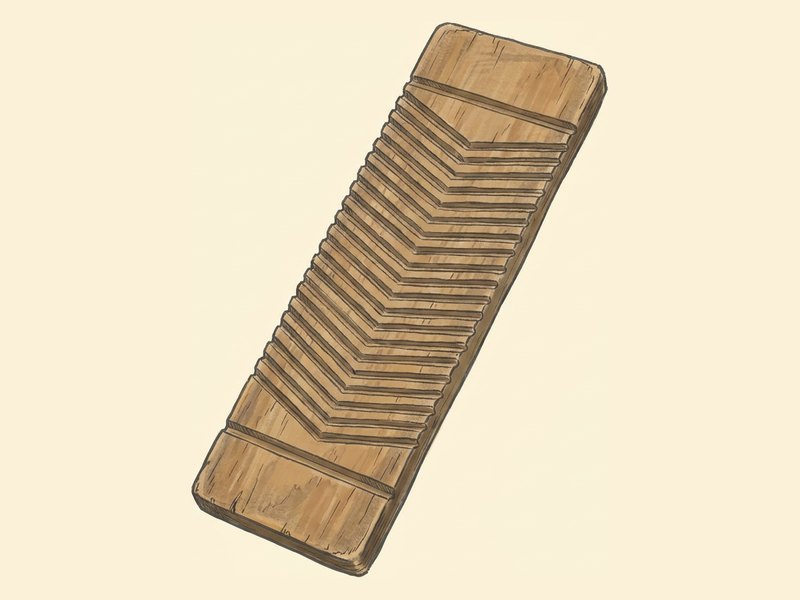
What is this tool called?

What was this tool used for?
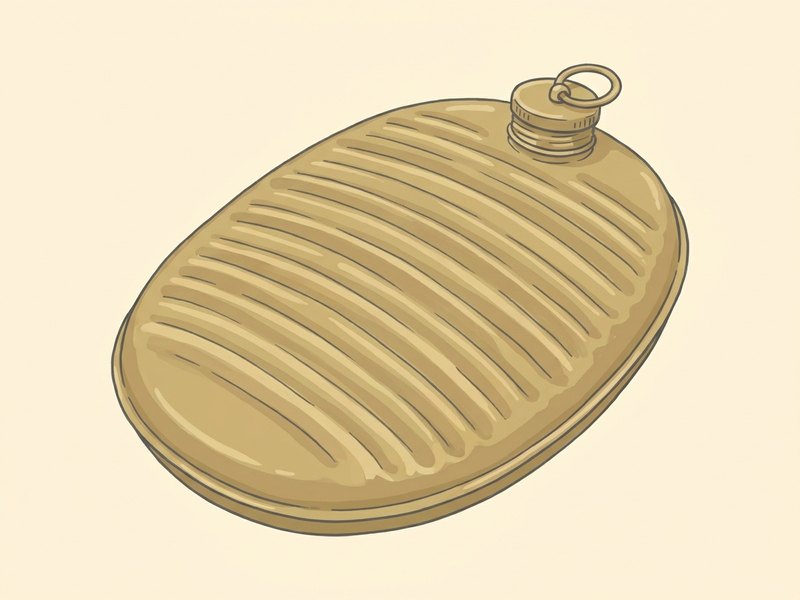
What was this tool used for?
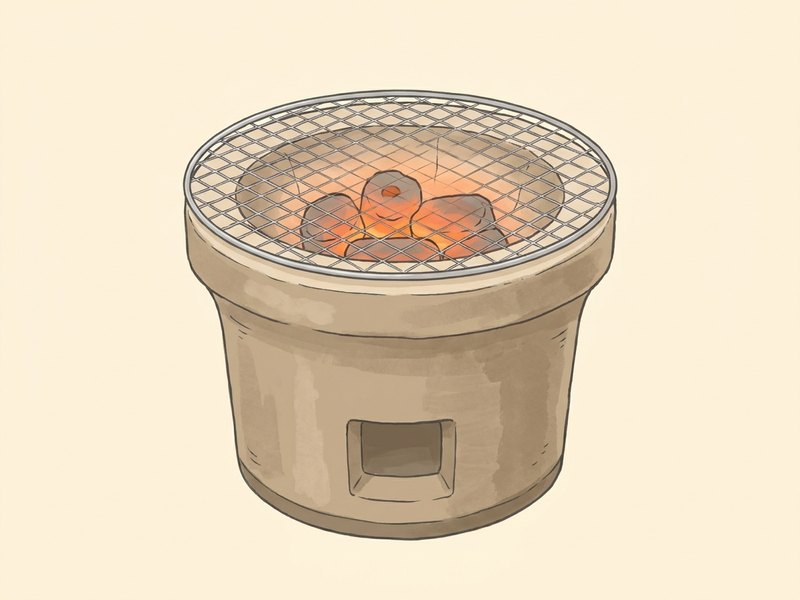
What is this tool called?
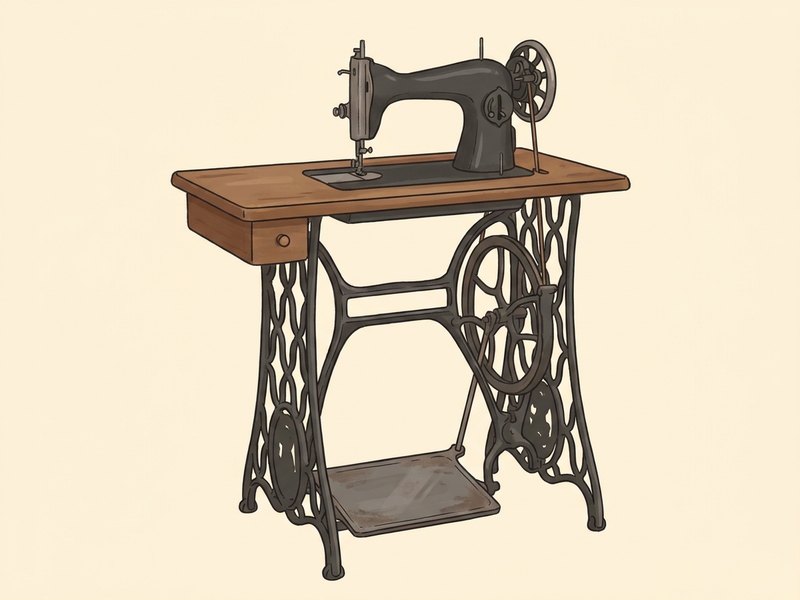
What was this tool used for?
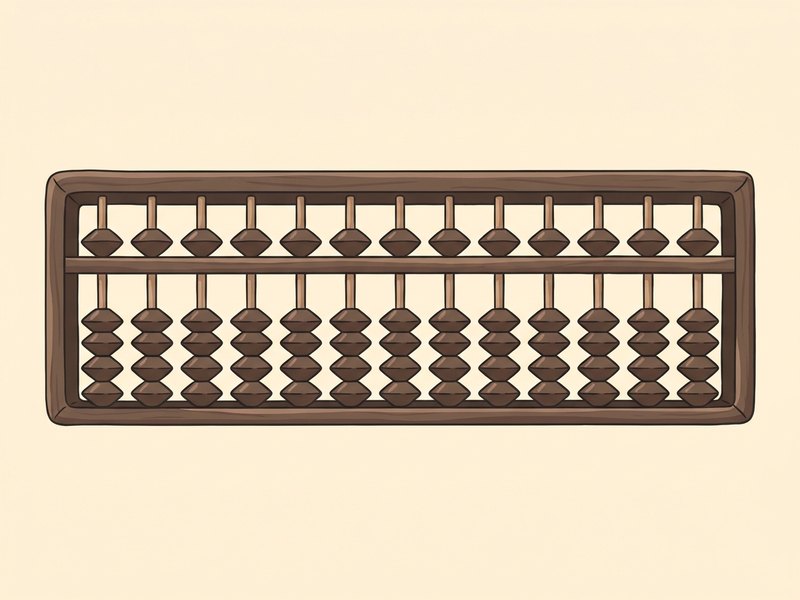
These questions ask people to recall old household tools from a drawing. Anyone who actually used them will often start telling stories, so after each answer try asking, "Where did you use one?"
Proverb and idiom quiz: 6 questions
Proverbs and idioms: 6 questions
Finish the proverb: 石の上にも( )年 (Ishi no ue ni mo ( ) nen, "even on a stone, ( ) years").
Finish the proverb: 笑う門には( )来たる (Warau kado ni wa ( ) kitaru, "the house that laughs gets ( )").
What does the proverb 「猿も木から落ちる」 (Saru mo ki kara ochiru, "even monkeys fall from trees") mean?
What does the idiom 「油を売る」 (abura o uru, literally "to sell oil") mean?
Finish the proverb: 花より( )(Hana yori ( ), "( ) rather than flowers").
Finish the proverb: ちりも積もれば( )となる (Chiri mo tsumoreba ( ) to naru, "even dust, piled up, becomes a ( )").
Proverbs and idioms are a strong area for older players. Some questions ask you to complete a proverb, and others ask for its meaning. A line everyone can say together, like 「石の上にも三年」 (Ishi no ue ni mo san-nen), relaxes the room right away.
Showa-era life and memories quiz: 6 questions
Showa-era life: 6 questions
In which Showa year was Tokyo Tower completed?
The Tokaido Shinkansen began running in Showa 39. Which big event was held in Japan the same year?
Which Showa-era game has players slam their own card down so the wind flips the opponent's card lying on the ground?
In the Showa 30s, what appliance joined the black-and-white TV and the electric washing machine as one of the "three sacred treasures" (sanshu no jingi)?
A man came by bicycle, told stories while showing pictures, and sold candy to children. What was he showing?
On summer-vacation mornings, children gathered in a nearby open space and got an attendance stamp. What was the activity?
The Showa-life questions use only well-established facts. When someone knows the answer, invite them to share what it was like back then; the conversation tends to open up. Topics that lead to painful memories are left out.
Seasons and festivals quiz: 6 questions
Seasons and festivals: 6 questions
What kind of day is Shunbun no Hi (the spring equinox)?
On Tango no Sekku (May 5), which leaves are floated in the bath to ward off bad luck?
At Obon, a cucumber with legs added is made into a ride for the ancestors' spirits. What animal is it shaped like?
Which of the seven autumn herbs is displayed as an offering at moon-viewing?
At Shichi-Go-San, what long, thin lucky sweet is given to children with a wish for long life?
How many times is the temple bell rung on New Year's Eve (joya no kane)?
These questions cover festivals from all four seasons. They work in any month, as one round at any time of year.
Word-play brain-training quiz: 6 questions
Word play: 6 questions
Which word reads the same forwards and backwards in kana?
Read たき (taki, waterfall) backwards. Which direction do you get?
One of these is not a tool for cutting. Which is the odd one out?
At a candy shop you buy a 30-yen candy and a 50-yen ramune, and pay with one 100-yen coin. How much change do you get?
In the old way of counting, what comes after "hii, fuu, mii, yoo, itsu, muu"?
Which of these words has an animal's name hidden inside it?
These questions involve counting aloud and reading words backwards. Do not overthink them; just ask people to say the answer out loud. Mistakes turn into laughs in this round, so putting it last ends the session on a warm note.
Tips for running a quiz in care-home recreation
- Play in teams, with one tablet per table. People can discuss and choose together, so those who are not used to phones can join in. Staff can also tap the screen on a team's behalf.
- Show the quiz on a big screen and read each question aloud. The questions are short and written in plain words. Read slowly and clearly so it reaches both those who watch the screen and those who listen.
- To make it a three-choice quiz, skip one option when you read. If four options confuse someone, leave out the one that is clearly wrong. The question stays the same but becomes easier to answer.
- Leave a little time after each question. Once the answer is out, add a word such as "Have you ever used one?" or "That brings it back, doesn't it?" Stories matter more than the score.
- Be kind to wrong answers. Saying "So close" or "I wasn't sure either" makes it easier to raise a hand next time. These are questions for adults, so avoid a childish tone.
- Two or three rounds per session is plenty. A good flow is old tools to loosen up, proverbs and Showa topics to build energy, and word play to finish with a laugh. Save the rest for the next activity time.
What kind of quiz questions suit older adults?
Can I run it as a three-choice quiz?
Can people who are not comfortable with phones or tablets take part?
Can I print the quiz?
Is it free?
Make a quiz for older adults
Enter a topic and a complete quiz with explanations is ready to host live. Players join with the PIN from any tablet or phone.
Make a quizSign-up is free. Players do not need to register.
Related articles
Winter Quiz: 24 Questions on Snow, Stars and Winter in Japan
From snow and winter festivals to the night sky and seasonal words. Works for senior recreation too.
Japanese New Year Quiz: 24 Oshogatsu Questions and Answers
From otoshidama and osechi to the luckiest first dream.
How to Create a Quiz with AI: 3 Ways
From a topic, your own notes or a PDF, a quiz is ready in about a minute.