
Each round is followed by the answers and their reasons. Read them aloud, or run them as a live quiz where everyone answers on a phone. With mixed ages, going through the rounds in order gives each child a turn to shine.
Create the quiz
Sign up for a free account, choose "Generate with AI" and type "riddles for elementary school kids, 12 questions". You can also type in the riddles below and keep only the rounds you want.
Press "Start game"
A PIN appears on the screen. Children open sheelon.me/join on a phone, tablet or laptop and type the PIN. No app and no player account needed.
Read aloud and answer together
Show each riddle on the big screen and read it out. Children pick one of the four options on their own device, and when the answer appears you can check the reason together.
Picture riddles for little ones (pick from four pictures)
The riddle text in this round is written in hiragana. For five-year-olds who cannot read yet, an adult should read them aloud. The four pictures in each question belong to the same family (fruits, animals, vehicles and so on), so the clues in the riddle, not the look of the picture, decide the answer.
6 picture riddles
Which vehicle keeps its big wings spread, never flaps them once, and still flies through the sky carrying people to faraway countries?
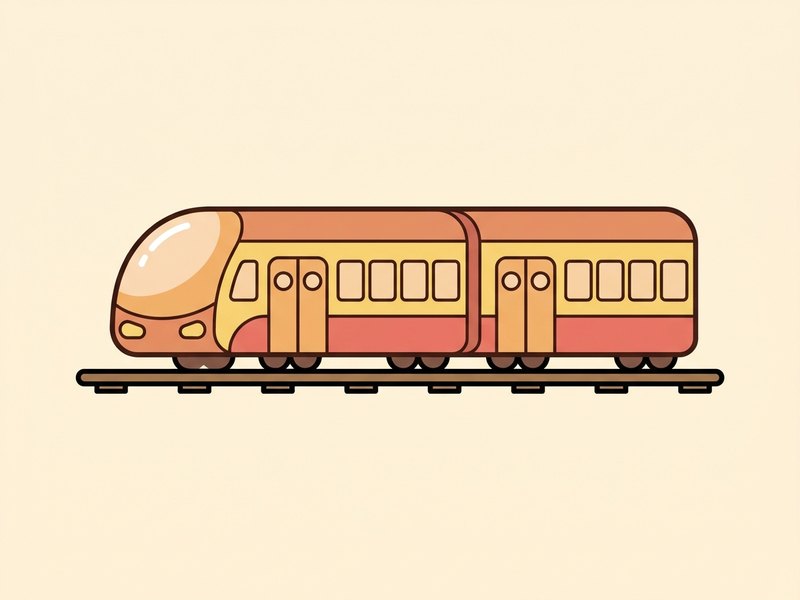 Train
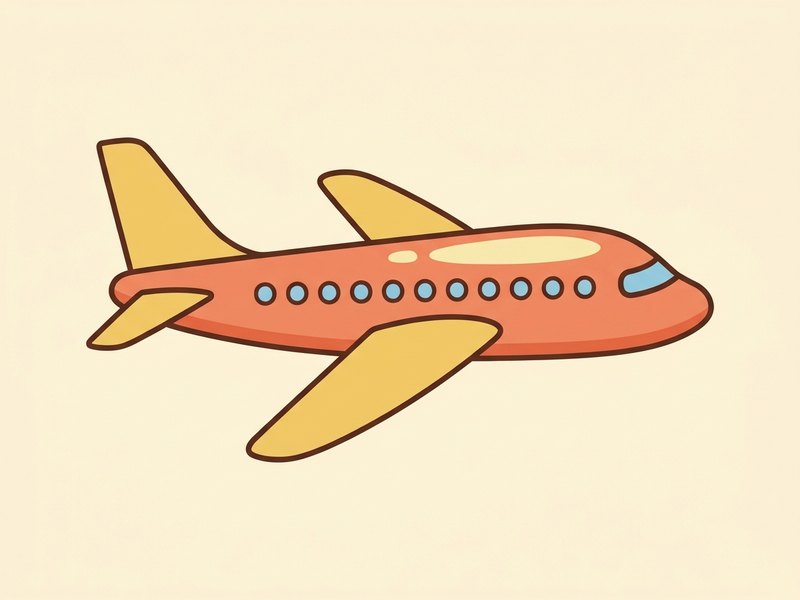 Airplane
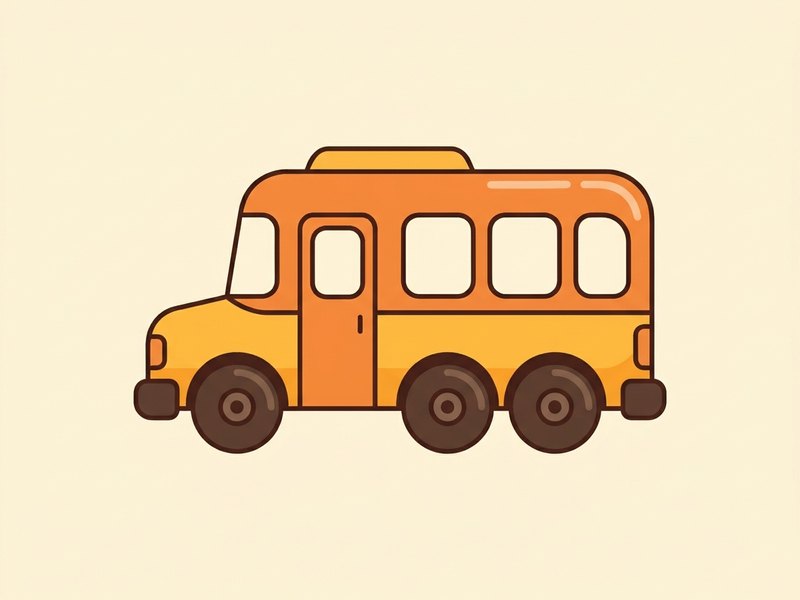 Bus
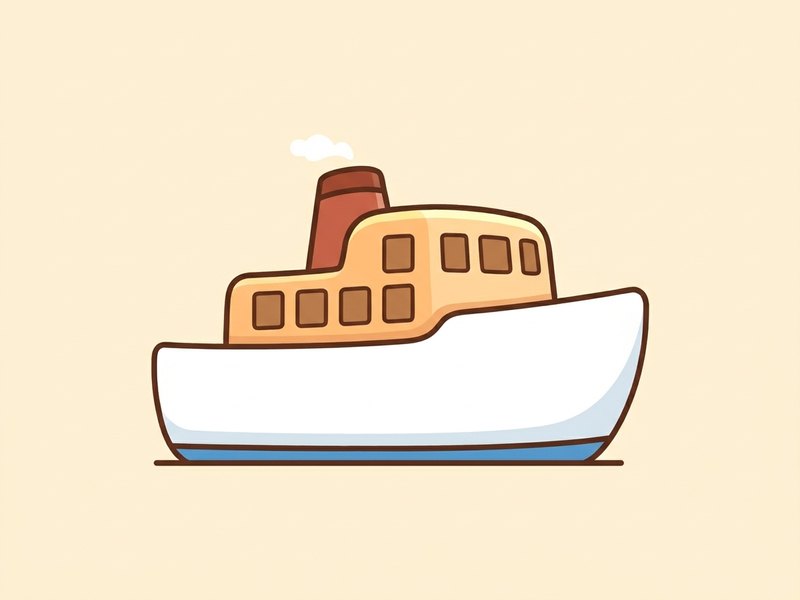 Ship
Most of the time it waits by the front door, rolled up thin, and only when you use it does it turn into a round roof. What is it?
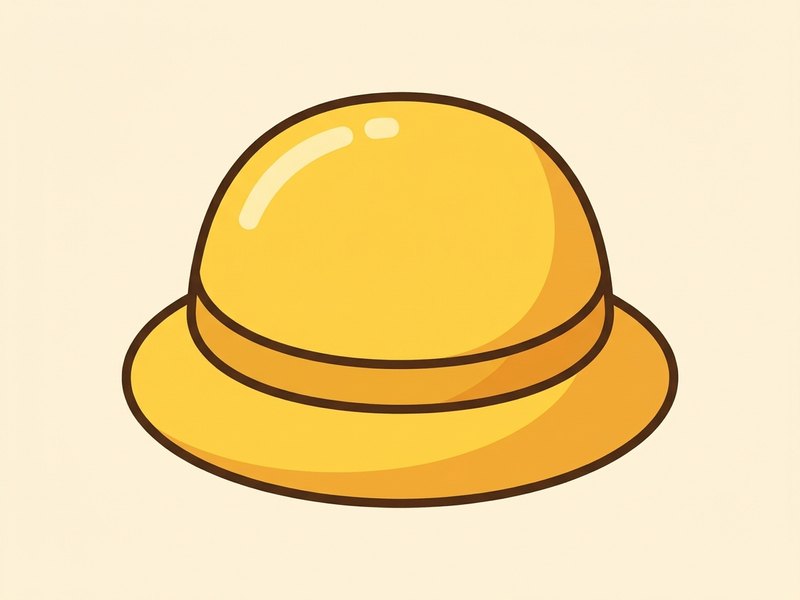 Hat
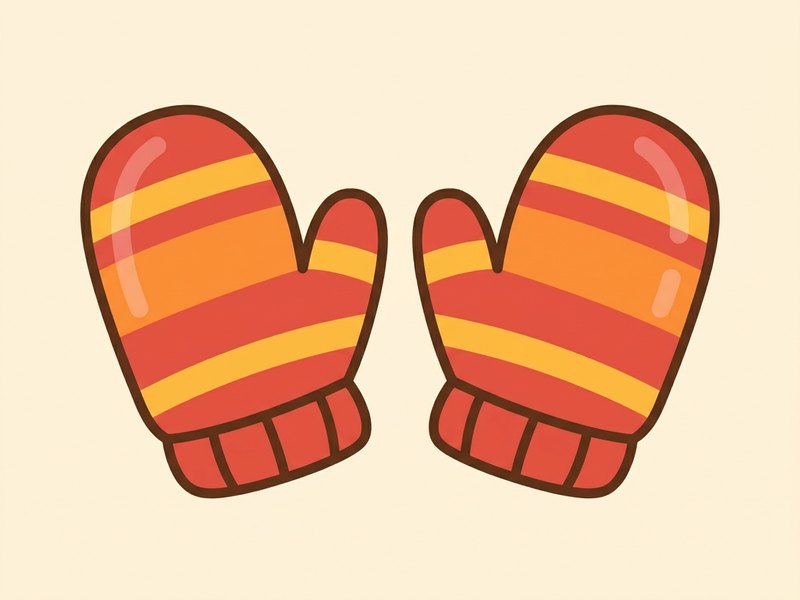 Gloves
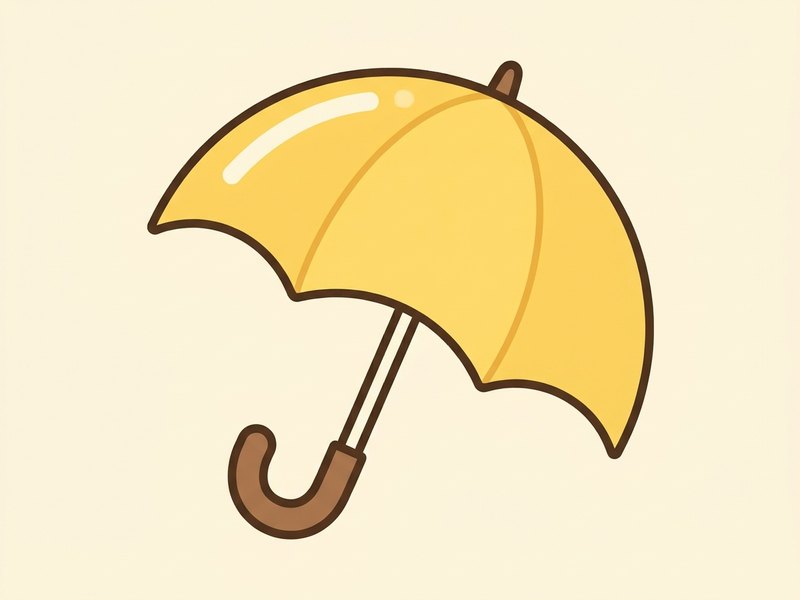 Umbrella
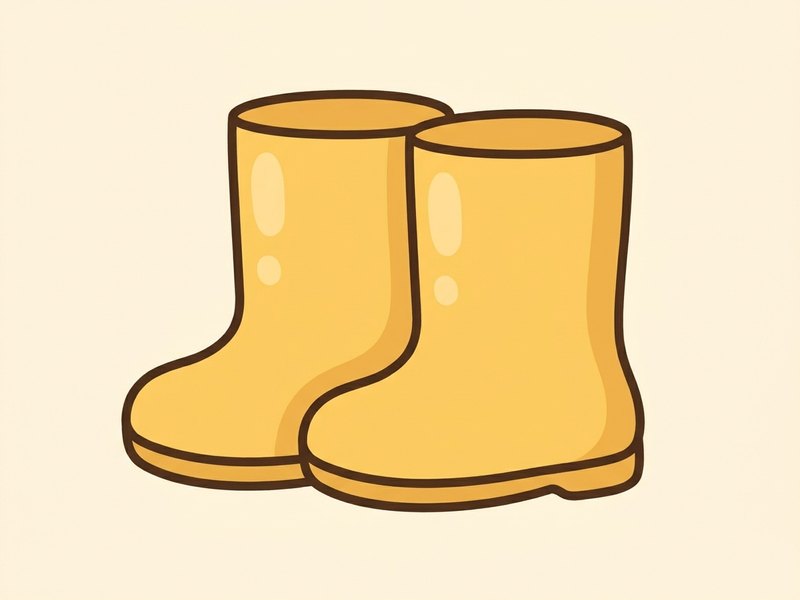 Rain boots
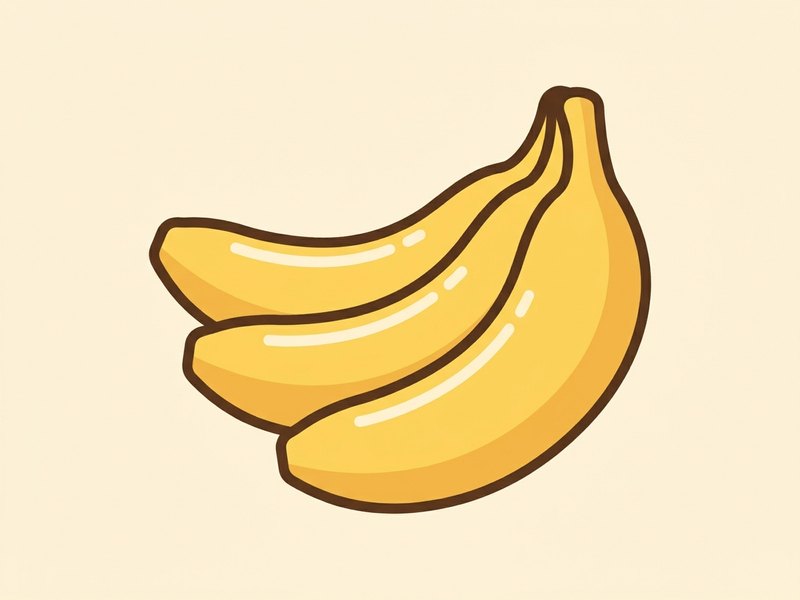
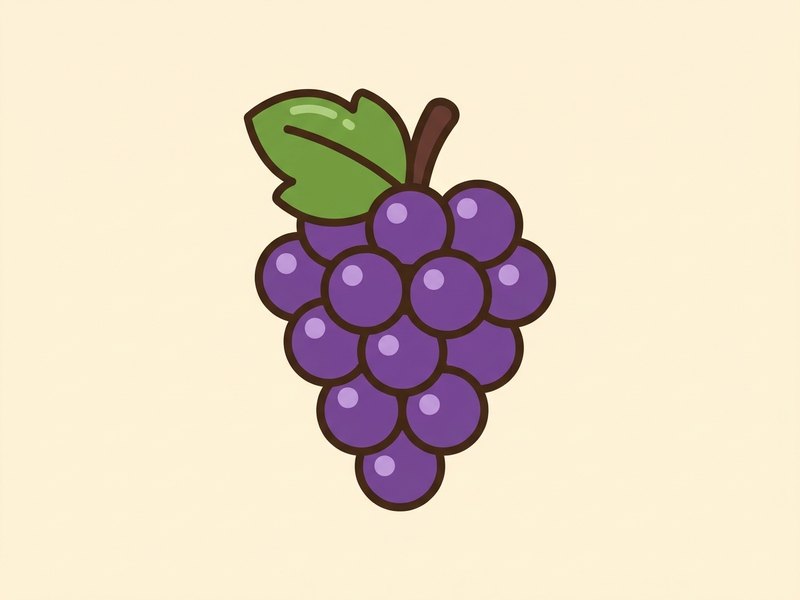
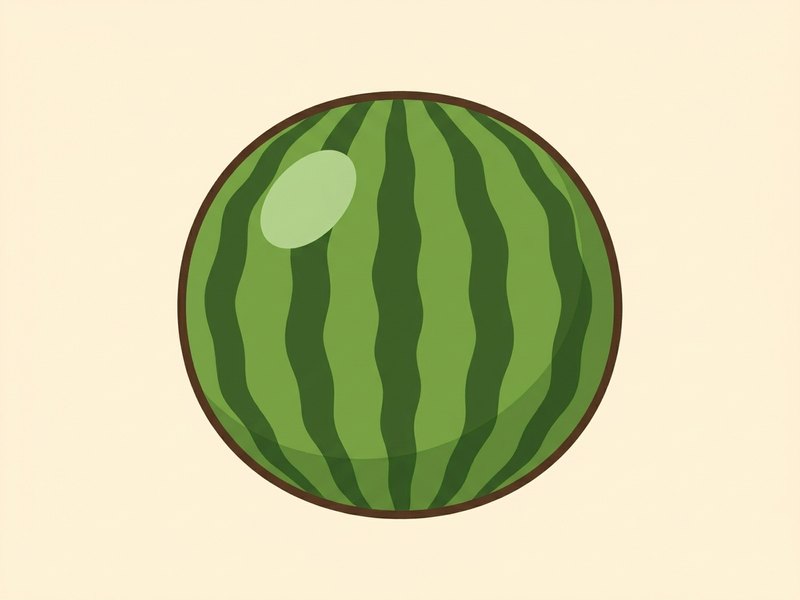
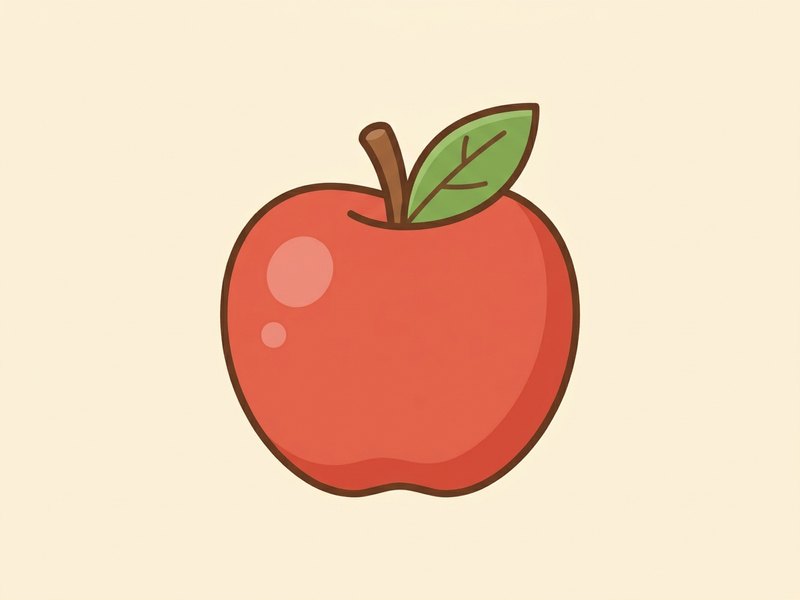
Which fruit is red and round, and goes crunch when you bite it, skin and all?
 Banana
 Grapes
 Watermelon
 Apple
Which animal has stiff whiskers and is good at catching mice?
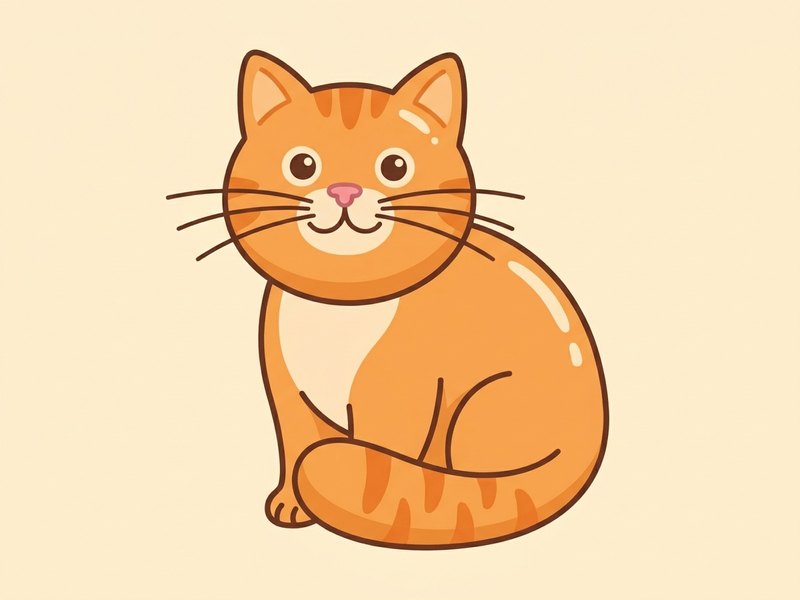 Cat
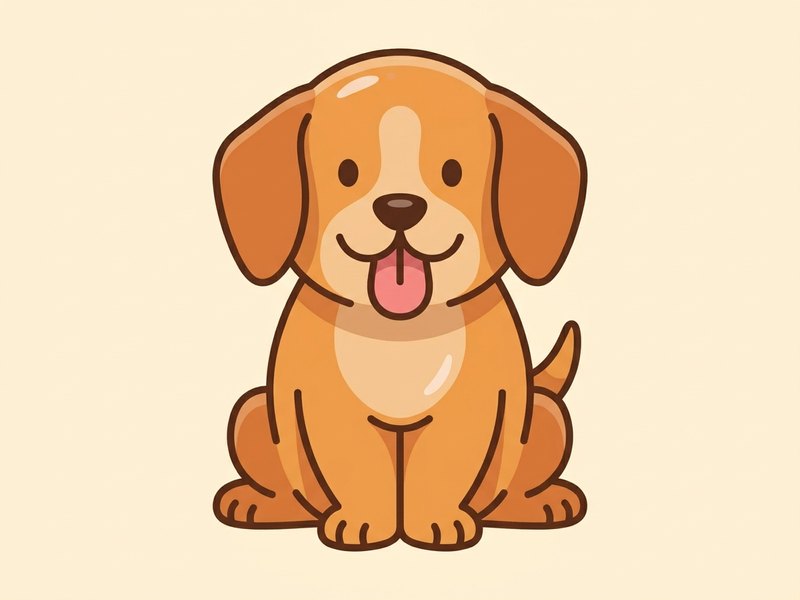 Dog
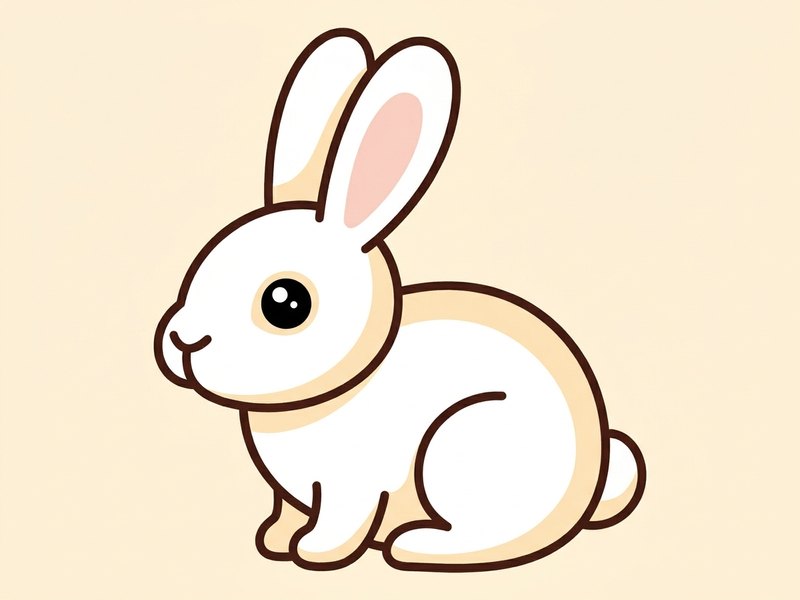 Rabbit
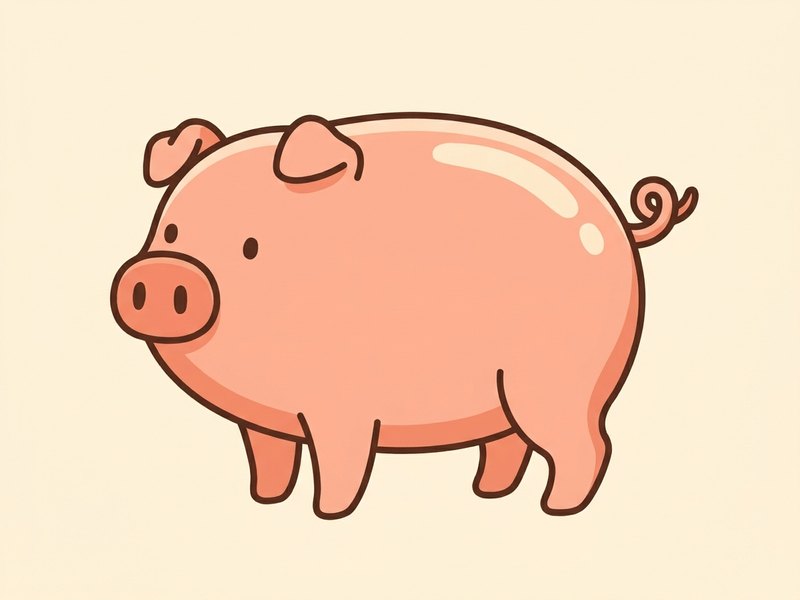 Pig
What tool has two blades and goes snip-snip through paper?
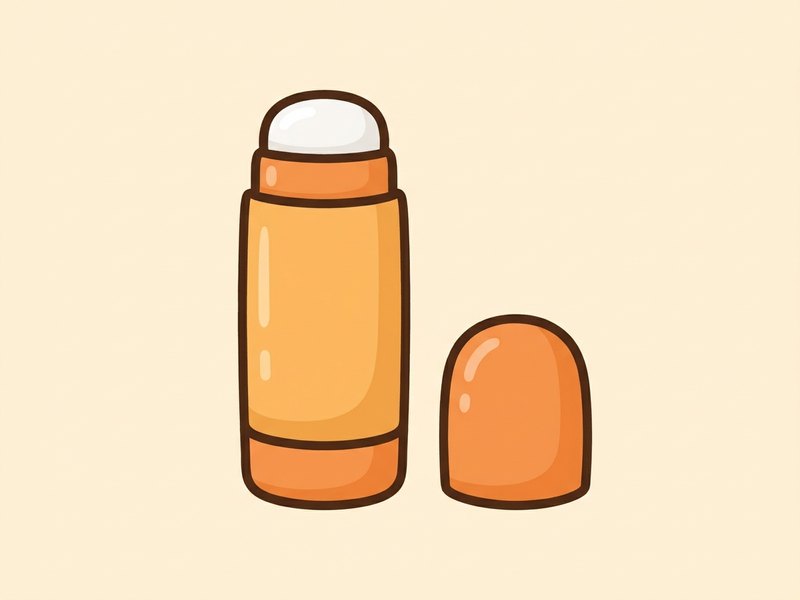 Glue stick
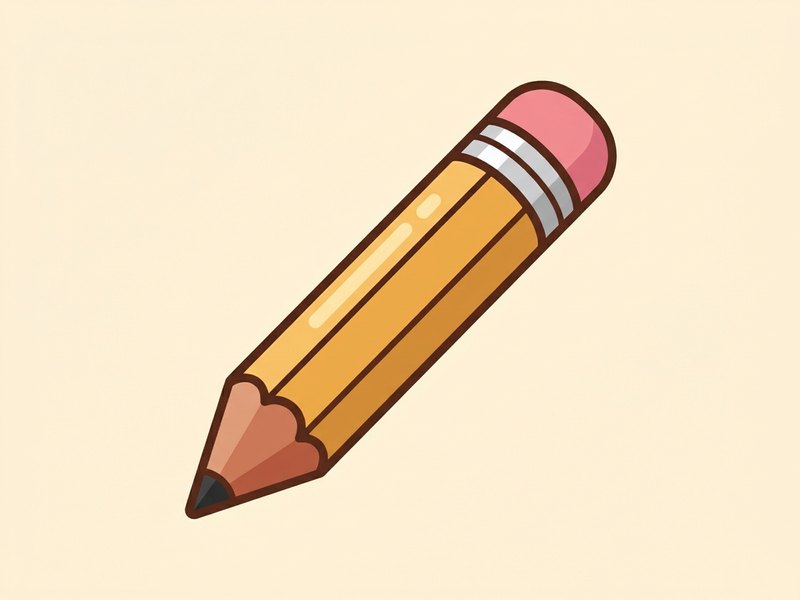 Pencil
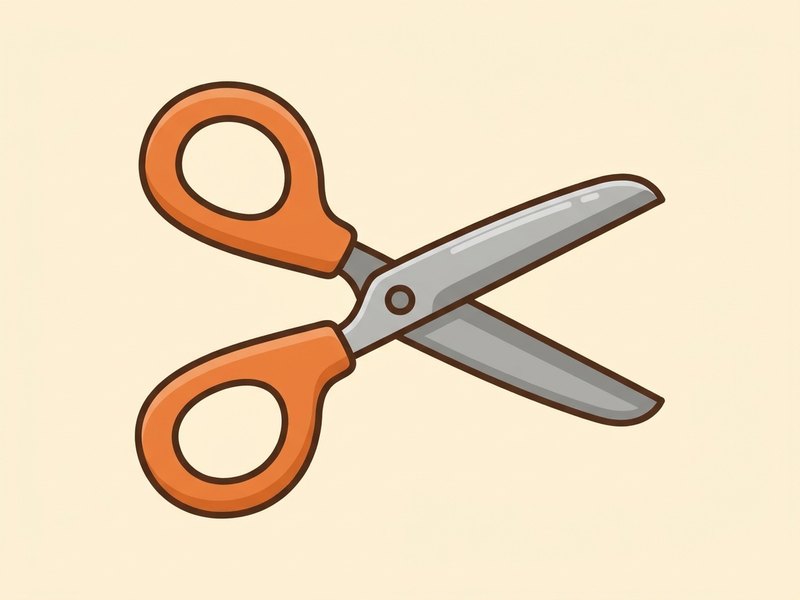 Scissors
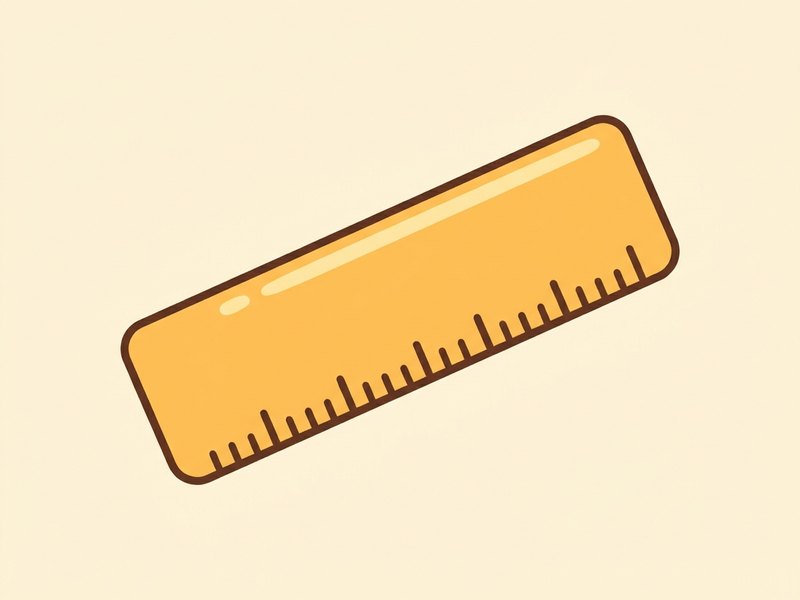 Ruler
It used to be a caterpillar munching leaves, but now it flutters over on pretty wings to sip nectar from flowers. Which bug is it?
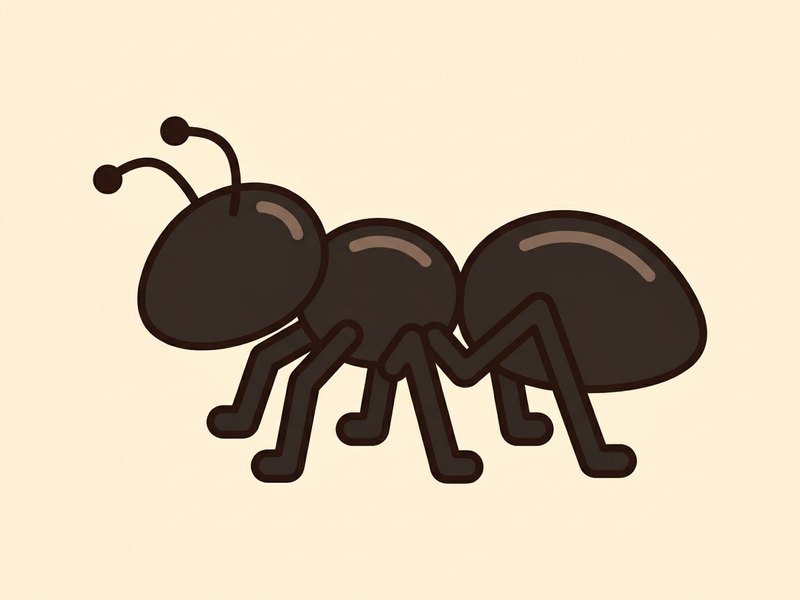 Ant
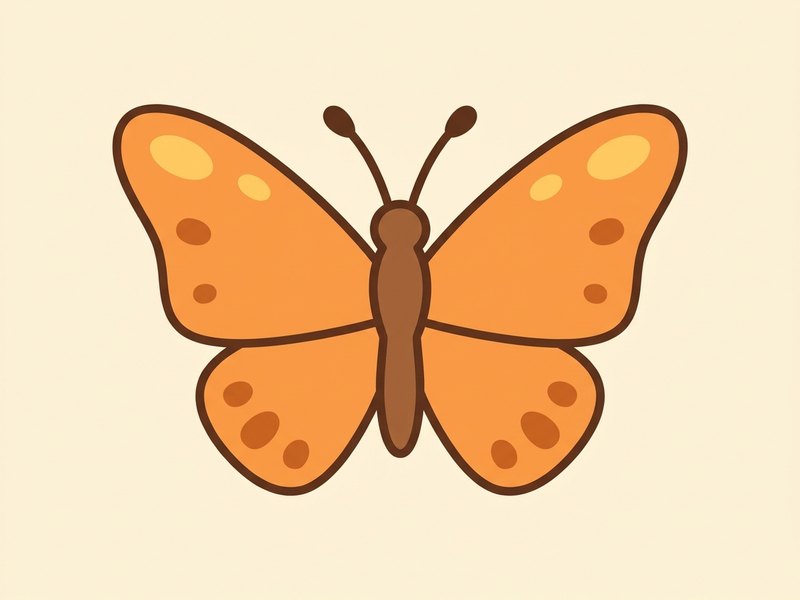 Butterfly
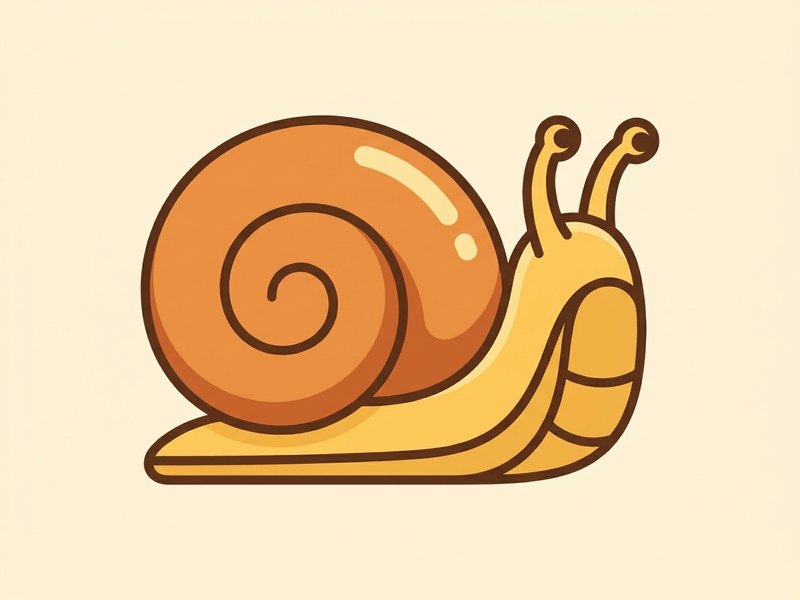 Snail
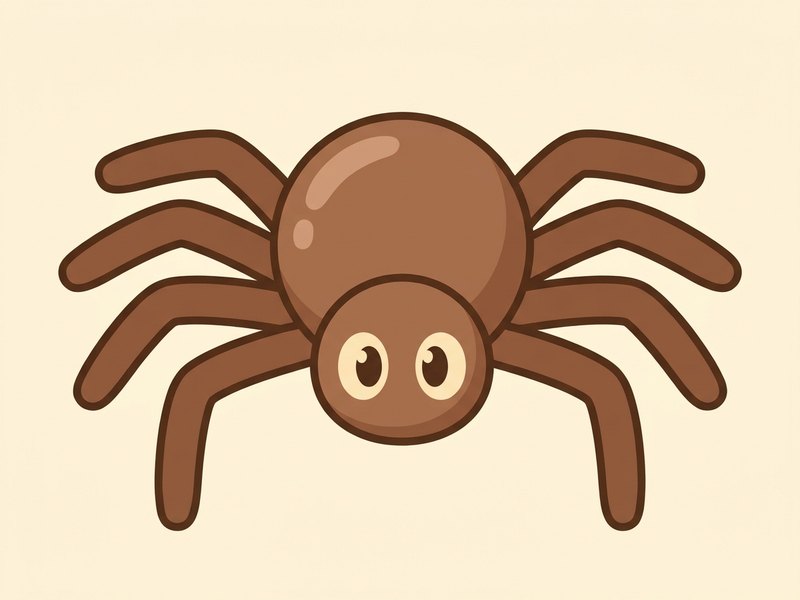 Spider
- Question 1: An airplane flies with its wings spread and never flaps them. Trains, buses and ships cannot fly.
- Question 2: An umbrella snaps open into a round roof over your head when you use it. A hat, gloves or boots never open into a roof.
- Question 3: An apple is red and round and crunches when you bite it with the skin on. A banana is yellow and peeled, grapes are small purple berries, and a watermelon is green outside and you do not eat its rind.
- Question 4: Cats have stiff whiskers and are good at catching mice. Rabbits have whiskers too, but they do not hunt mice.
- Question 5: Scissors cut paper with two blades. A glue stick sticks, a pencil writes and a ruler helps you draw straight lines.
- Question 6: A caterpillar grows into a butterfly, which flutters on its wings and sips nectar. Ants, snails and spiders have no wings.
Easy riddles for grades 1 to 3
These are for grades 1 to 3, once hiragana is easy to read. Reading aloud helps the clues sink in.
6 easy riddles
There are two of them on your face, and when you close them everything goes dark. What are they?
When you walk down a road at night, which thing in the sky seems to follow you wherever you go?
A big box in the kitchen. Open its door and a cool breeze comes out. What is it?
By day it sleeps hanging upside down, and at night it flies around. What animal is it?
When you go from a room downstairs to a room upstairs, what do you step on as you climb?
Which fish gets angry, fills its belly with water and swells up like a balloon?
- Question 1: Close your eyes and everything goes dark. Covering your ears, pinching your nose or shutting your mouth does not make things dark.
- Question 2: The moon is so far away that it stays in the same direction as you walk, so it seems to follow you. The sun is not out at night, and rainbows and thunder do not follow anyone.
- Question 3: A refrigerator is cool inside and keeps food from going bad. The others do not blow cool air when you open them.
- Question 4: A bat hangs upside down by its feet to sleep and flies at night. Sparrows, swallows and crows are birds that are active in the daytime.
- Question 5: You climb stairs one step at a time to reach the next floor. A floor, wall or ceiling is not something you climb.
- Question 6: A pufferfish swallows water and swells into a ball when it is angry or startled. The other fish do not.
Wordplay and pun riddles
For grades 2 to 4: riddles that play with the sounds of Japanese. You hunt for a word hidden inside another word, drop a sound, add dots to a sound, or read a word backwards. They are easier to solve out loud.
6 wordplay riddles
There is a sports-day event where everyone pulls on a long rope (tsunahiki, tug of war). Hidden inside its name is something you put in a sandwich. Which one?
Take away its last sound and it becomes the 'kuji' of kujibiki (a prize draw). Which sea animal is it?
Read backwards, it becomes the 'riku' (land) of 'sea and land'. Which autumn food is it?
Add two small dots (a dakuten) to one sound and it becomes an 'incident' that brings the police. Which thing happens at school?
In the park there is a bar you hang from and flip over (sakaagari) on, the tetsubō or horizontal bar. Hidden inside its name is a container. Which one?
Take away one 'n' sound and it becomes 'kaji', a fire. Which thing do you learn at school?
- Question 1: Tug of war is tsunahiki, and the first two sounds, tsu-na, spell tsuna, 'tuna'. Ham, egg and cheese are not hidden in it.
- Question 2: Remove the last sound ra from kujira (whale) and you get kuji, a lottery draw. The other animals do not give a kuji.
- Question 3: Kuri (chestnut) read backwards is ri-ku, 'land'. Kaki, nashi and imo make no word when reversed.
- Question 4: Shiken (exam) with a dakuten on shi becomes jiken, 'incident'. The other words turn into nothing like that.
- Question 5: Horizontal bar is te-tsu-bo-u, and tsubo, 'pot', hides in the middle. Kame, zaru and wan are not in the word.
- Question 6: Kanji without its n is kaji, 'fire'. Ongaku, sansū and kakezan do not become 'fire' when you drop an n.
Trick riddles for grades 4 to 6
For grades 4 to 6: these make you think "huh?". The first answer that comes to mind is usually wrong. Enjoy the "ahh!" that follows the answer.
6 trick riddles
When you stand facing south, which side is east on?
Three people play rock-paper-scissors, and one shows rock, one scissors and one paper. Who wins?
In a line of friends, one person is 6th from the front and 3rd from the back. How many people are in the line?
Trees are planted every 5 metres along a 20 metre road, including both ends. How many trees are needed in total?
You toss a coin 3 times and get heads every time. What happens to the chance of heads on the 4th toss?
Which of these four numbers is the biggest?
- Question 1: Facing south, west is on your right hand and east is on your left. On a map east is on the right, which is why 'right' is the trap.
- Question 2: When all three hands appear, every hand loses to another, so it is a draw.
- Question 3: Adding 6 + 3 gives 9, but that counts the person twice. Subtract one and the line has 8 people.
- Question 4: There are 4 gaps of 5 metres, and trees stand at both ends, so 4 + 1 = 5 trees. Answering 4 forgets the tree at the end.
- Question 5: A coin does not remember earlier tosses, so heads and tails are equally likely again. Thinking 'tails must be due' is the trap.
- Question 6: Compare decimals from the left-hand digit. 0.9 starts with 9, so it is the biggest. 0.12 and 0.099 have more digits but are smaller.
Thinking riddles for grades 4 to 6
For grades 4 to 6: questions that need a little maths thinking, and a couple of school words. If you drop your assumptions and think it through, the maths riddles open up too.
6 thinking riddles
Five people each shake hands once with every other person. How many handshakes are there in total?
You roll two dice and add the numbers. Which total comes up most often?
Hiroshi is shorter than Kenta. Kenta is shorter than Masato. Takuya is shorter than Hiroshi. Who is the tallest of the four?
Using at least one each of a 100 yen, a 50 yen and a 10 yen coin, you make exactly 170 yen. How many coins is that in total?
At the moment you realise you forgot your homework, which part of you 'goes blank'?
What plays the same tune across the whole school at the start and end of every lesson?
- Question 1: 5 × 4 = 20 counts every pair twice. Half of that, 10, is the answer.
- Question 2: Seven can be made in 6 ways, more than any other total. Two and twelve can each be made in only one way.
- Question 3: From shortest to tallest the order is Takuya, Hiroshi, Kenta, Masato. Masato is the tallest.
- Question 4: 100 + 50 + 10 is 160 yen. You still need 10 yen more, so add a second 10 yen coin: 100 + 50 + 10 + 10 makes 4 coins.
- Question 5: In Japanese, 'atama ga masshiro ni naru' (your head goes white) means your mind goes blank from shock.
- Question 6: A piano, drum or recorder makes sound too, but it is the school chime that announces the start and end of every lesson.
Tips for running riddles in class or at home
- Read the picture riddles aloud yourself. For five-year-olds, read the riddle twice, slowly, then show the pictures. Pointing at the answer is enough.
- Give hints one at a time. If the answer does not come, ask "What colour?" or "How big?" and say the clues in the riddle out loud one by one. A child who works it out feels much prouder than one who is told.
- Say wordplay riddles out loud. Riddles that drop a sound, read backwards or add dots are easier to solve by ear than on paper. Writing the word down and tracing it with a finger also works.
- Treat getting tricked as part of the fun. When someone shouts "Eh?!", explain the reason right away. If everyone laughs about falling for it, older children join in happily.
- Mix ages in teams. With siblings or a mixed-age class, let the older child read the riddles to the younger one, and both enjoy it.
- Do not rush the thinking time. Younger children repeat the riddle in their head several times. Waiting a few seconds raises the number of right answers a lot.
From what age can children enjoy nazonazo?
Do the riddles come with answers?
Can I print them?
Can children who cannot read yet play?
Can I make my own riddle quiz?
Make a riddle quiz with AI
Type a topic and a full quiz with explanations is ready to host live. Children join from any phone with the PIN.
Make a riddle quizSign-up is free. Players do not need an account.
Related articles
Hard Riddles for Adults: 30 Tricky Nazonazo with Answers
Riddles about words and flipping your thinking that stump grown-ups too.
Flag Quiz: 24 Questions and Answers, Easy to Hard
A quiz where you choose the right flag from pictures.
Kanji Quiz: 30 Questions on Readings, Radicals and Hard Kanji
Kanji quizzes sorted by level to test reading and writing.